
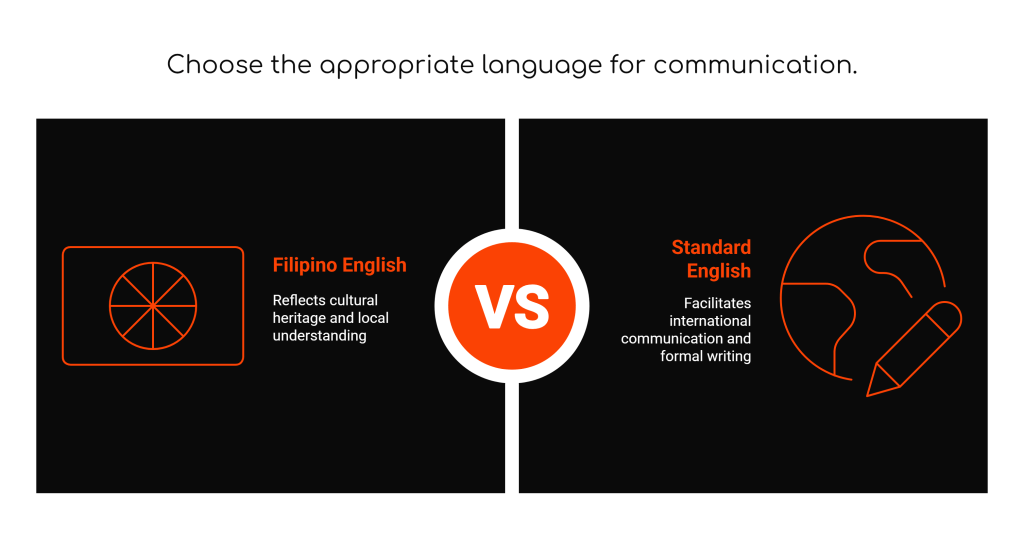
Filipino English, or “Filipinoisms,” reflects our unique linguistic heritage—a beautiful blend of American English with Filipino grammar structures, cultural expressions, and local adaptations. While these expressions are perfectly understood in the Philippines, knowing their standard English equivalents can help in international communication and formal writing.
This comprehensive guide presents 100 common Filipinoisms alongside their proper English translations, complete with meanings and example sentences.
1-20: Everyday Expressions
1. “Where are you from?”
- Proper English: “Where do you come from?” or “What’s your hometown?”
- Meaning: Asking about someone’s place of origin
- Example: “What’s your hometown? I’m from Cebu.”
2. “I’m from the States.”
- Proper English: “I’m from the United States.”
- Meaning: Referring to being from America
- Example: “I’m from the United States, but I’ve lived here for five years.”
3. “How much is your age?”
- Proper English: “How old are you?”
- Meaning: Asking about someone’s age
- Example: “How old are you? I’m twenty-five.”
4. “My age is 25.”
- Proper English: “I am 25 years old.”
- Meaning: Stating one’s age
- Example: “I am 25 years old and working as a teacher.”
5. “I have a crush on you.”
- Proper English: “I have a crush on you.” (Actually correct!)
- Meaning: Expressing romantic interest
- Example: “I’ve had a crush on you since college.”
6. “Open the light.”
- Proper English: “Turn on the light.”
- Meaning: Switching on electrical lighting
- Example: “Please turn on the light; it’s getting dark.”
7. “Close the light.”
- Proper English: “Turn off the light.”
- Meaning: Switching off electrical lighting
- Example: “Don’t forget to turn off the light before leaving.”
8. “Open the TV.”
- Proper English: “Turn on the TV.”
- Meaning: Switching on the television
- Example: “Can you turn on the TV? The news is about to start.”
9. “Close the TV.”
- Proper English: “Turn off the TV.”
- Meaning: Switching off the television
- Example: “Please turn off the TV and do your homework.”
10. “I’m going down.”
- Proper English: “I’m going downstairs.”
- Meaning: Moving to a lower floor
- Example: “I’m going downstairs to get some water.”
11. “I’m going up.”
- Proper English: “I’m going upstairs.”
- Meaning: Moving to an upper floor
- Example: “I’m going upstairs to take a shower.”
12. “Come here, come here.”
- Proper English: “Come here.”
- Meaning: Calling someone to approach (repetition for emphasis is Filipino)
- Example: “Come here and help me with this.”
13. “Go ahead of me.”
- Proper English: “Go before me” or “You go first.”
- Meaning: Letting someone go first
- Example: “You go first; I’ll follow behind.”
14. “I’ll just CR.”
- Proper English: “I’ll just go to the bathroom/restroom.”
- Meaning: Excusing oneself to use the toilet
- Example: “Excuse me, I’ll just go to the restroom.”
15. “For a while.”
- Proper English: “Just a moment” or “Wait a moment.”
- Meaning: Asking someone to wait briefly
- Example: “Just a moment, please. I’ll be right with you.”
16. “I’ll just xerox this.”
- Proper English: “I’ll photocopy this.”
- Meaning: Making a copy of a document
- Example: “I’ll photocopy these documents for you.”
17. “Can you comfort room me?”
- Proper English: “Can you show me where the bathroom is?”
- Meaning: Asking for directions to the restroom
- Example: “Excuse me, can you show me where the bathroom is?”
18. “I’m going to off.”
- Proper English: “I’m going to leave” or “I’m leaving.”
- Meaning: Announcing departure
- Example: “I’m leaving now. See you tomorrow.”
19. “Traffic is heavy.”
- Proper English: “Traffic is heavy.” (Actually correct!)
- Meaning: Describing congested roads
- Example: “Traffic is heavy on EDSA during rush hour.”
20. “I’m lost.”
- Proper English: “I’m lost.” (Correct, but Filipinos often use it when confused)
- Meaning: Unable to find one’s way or confused
- Example: “I’m lost. Can you give me directions to the mall?”
21-40: Food and Shopping
21. “Can I have a take out?”
- Proper English: “Can I have this to go?” or “Can I get takeout?”
- Meaning: Requesting food for off-premises consumption
- Example: “Can I get this to go, please?”
22. “I want to buy grocery.”
- Proper English: “I want to buy groceries” or “I want to go grocery shopping.”
- Meaning: Shopping for food and household items
- Example: “I need to buy groceries for the week.”
23. “Let’s eat outside.”
- Proper English: “Let’s eat out” or “Let’s dine out.”
- Meaning: Having a meal at a restaurant
- Example: “Let’s eat out tonight instead of cooking.”
24. “I’m craving for ice cream.”
- Proper English: “I’m craving ice cream.”
- Meaning: Having a strong desire for something
- Example: “I’m craving ice cream on this hot day.”
25. “The food is masarap.”
- Proper English: “The food is delicious.”
- Meaning: Describing tasty food
- Example: “The food at that restaurant is delicious.”
26. “I’m full already.”
- Proper English: “I’m already full.”
- Meaning: Having eaten enough
- Example: “I’m already full, thank you.”
27. “I’ll have rice meal.”
- Proper English: “I’ll have a rice meal” or “I’ll have the rice combo.”
- Meaning: Ordering a meal that includes rice
- Example: “I’ll have the chicken rice combo, please.”
28. “Can I have extra rice?”
- Proper English: “Can I have extra rice?” (Actually correct!)
- Meaning: Requesting additional rice
- Example: “Can I have extra rice with my meal?”
29. “The cashier will give you change.”
- Proper English: “The cashier will give you your change.”
- Meaning: Receiving money back from a purchase
- Example: “The cashier will give you your change at the counter.”
30. “I don’t have exact change.”
- Proper English: “I don’t have exact change.” (Correct!)
- Meaning: Not having the precise amount needed
- Example: “I don’t have exact change. Can you break a thousand peso bill?”
31. “What flavor do you want?”
- Proper English: “What flavor would you like?”
- Meaning: Asking about flavor preference
- Example: “What flavor would you like for your ice cream?”
32. “I want size large.”
- Proper English: “I want a large size” or “I’d like the large.”
- Meaning: Requesting the biggest available size
- Example: “I’d like the large fries, please.”
33. “Do you have delivery?”
- Proper English: “Do you deliver?” or “Do you offer delivery?”
- Meaning: Asking about delivery service
- Example: “Do you deliver to this area?”
34. “How much all in all?”
- Proper English: “How much is it altogether?” or “What’s the total?”
- Meaning: Asking for the total cost
- Example: “What’s the total for all these items?”
35. “I’ll have this packed to go.”
- Proper English: “I’ll have this packaged to go.”
- Meaning: Requesting takeaway packaging
- Example: “I’ll have this packaged to go, please.”
36. “Can you make it less sweet?”
- Proper English: “Can you make it less sweet?” (Correct!)
- Meaning: Requesting reduced sweetness
- Example: “Can you make my iced tea less sweet?”
37. “I want it hot and spicy.”
- Proper English: “I want it hot and spicy.” (Correct!)
- Meaning: Requesting high spice level
- Example: “I want my noodles hot and spicy.”
38. “What’s your viand?”
- Proper English: “What’s your main dish?” or “What do you have for entrees?”
- Meaning: Asking about available dishes to eat with rice
- Example: “What main dishes do you have today?”
39. “I want additional sauce.”
- Proper English: “I’d like extra sauce.”
- Meaning: Requesting more sauce
- Example: “I’d like extra sauce on the side, please.”
40. “Can you recommend something?”
- Proper English: “Can you recommend something?” (Correct!)
- Meaning: Asking for suggestions
- Example: “Can you recommend something popular from your menu?”
41-60: Transportation and Travel
41. “I’ll ride a jeep.”
- Proper English: “I’ll take a jeepney.”
- Meaning: Using jeepney transportation
- Example: “I’ll take a jeepney to get there.”
42. “Drop me off here.”
- Proper English: “Drop me off here.” (Correct!)
- Meaning: Requesting to be let off at a location
- Example: “You can drop me off here at the corner.”
43. “I’ll alight here.”
- Proper English: “I’ll get off here.”
- Meaning: Exiting a vehicle
- Example: “I’ll get off here, thank you.”
44. “Where will you get down?”
- Proper English: “Where will you get off?”
- Meaning: Asking about someone’s destination
- Example: “Where will you get off? I can drop you there.”
45. “I missed the bus.”
- Proper English: “I missed the bus.” (Correct!)
- Meaning: Failing to catch scheduled transportation
- Example: “I missed the bus and had to take a taxi.”
46. “The driver is so fast.”
- Proper English: “The driver drives so fast.”
- Meaning: Describing rapid driving
- Example: “The driver drives so fast that I got scared.”
47. “I need to go somewhere.”
- Proper English: “I need to go somewhere.” (Correct!)
- Meaning: Having an errand or destination
- Example: “I need to go somewhere first before meeting you.”
48. “Can you fetch me?”
- Proper English: “Can you pick me up?”
- Meaning: Requesting transportation
- Example: “Can you pick me up from the airport?”
49. “I’ll send you home.”
- Proper English: “I’ll take you home” or “I’ll give you a ride home.”
- Meaning: Offering transportation to someone’s residence
- Example: “I’ll give you a ride home since it’s late.”
50. “What time is your flight?”
- Proper English: “What time is your flight?” (Correct!)
- Meaning: Asking about departure time
- Example: “What time is your flight? I’ll drive you to the airport.”
51. “I’m going to airport.”
- Proper English: “I’m going to the airport.”
- Meaning: Traveling to the airport
- Example: “I’m going to the airport to catch my flight.”
52. “How much is the fare?”
- Proper English: “How much is the fare?” (Correct!)
- Meaning: Asking about transportation cost
- Example: “How much is the fare from here to Makati?”
53. “I’ll commute going there.”
- Proper English: “I’ll take public transportation there.”
- Meaning: Using public transport
- Example: “I’ll take public transportation instead of driving.”
54. “The gas is expensive.”
- Proper English: “Gas is expensive” or “Gasoline is expensive.”
- Meaning: Commenting on fuel prices
- Example: “Gas is expensive nowadays, so I use public transport.”
55. “I need to gas up.”
- Proper English: “I need to get gas” or “I need to fill up.”
- Meaning: Needing to refuel a vehicle
- Example: “I need to get gas before our road trip.”
56. “The parking is full.”
- Proper English: “The parking lot is full.”
- Meaning: No available parking spaces
- Example: “The parking lot is full, so I had to park on the street.”
57. “I got a flat tire.”
- Proper English: “I got a flat tire.” (Correct!)
- Meaning: Having a deflated tire
- Example: “I got a flat tire on the way to work.”
58. “My car broke down.”
- Proper English: “My car broke down.” (Correct!)
- Meaning: Vehicle malfunction
- Example: “My car broke down, so I called a mechanic.”
59. “I lost my way.”
- Proper English: “I lost my way” or “I got lost.”
- Meaning: Unable to find the correct route
- Example: “I got lost because the GPS wasn’t working.”
60. “Can you accompany me?”
- Proper English: “Can you come with me?”
- Meaning: Requesting someone’s presence
- Example: “Can you come with me to the doctor’s appointment?”
61-80: Work and School
61. “I have a meeting later.”
- Proper English: “I have a meeting later.” (Correct!)
- Meaning: Scheduled business discussion
- Example: “I have a meeting later, so I can’t join you for lunch.”
62. “I need to pass this requirements.”
- Proper English: “I need to submit these requirements.”
- Meaning: Handing in necessary documents
- Example: “I need to submit these requirements by Friday.”
63. “What’s your course?”
- Proper English: “What’s your major?” or “What are you studying?”
- Meaning: Asking about field of study
- Example: “What are you studying in college?”
64. “I graduated high school.”
- Proper English: “I graduated from high school.”
- Meaning: Completed secondary education
- Example: “I graduated from high school last year.”
65. “My teacher is so terror.”
- Proper English: “My teacher is very strict.”
- Meaning: Describing a demanding instructor
- Example: “My teacher is very strict about deadlines.”
66. “I have classes tomorrow.”
- Proper English: “I have classes tomorrow.” (Correct!)
- Meaning: Scheduled educational sessions
- Example: “I have classes tomorrow, so I can’t stay out late.”
67. “We have an exam next week.”
- Proper English: “We have an exam next week.” (Correct!)
- Meaning: Scheduled test
- Example: “We have an exam next week, so I need to study.”
68. “Can you teach me how?”
- Proper English: “Can you teach me how to do this?”
- Meaning: Requesting instruction
- Example: “Can you teach me how to use this software?”
69. “I’ll research about it.”
- Proper English: “I’ll research it” or “I’ll do research on it.”
- Meaning: Investigating a topic
- Example: “I’ll research this topic for my thesis.”
70. “I’m absent yesterday.”
- Proper English: “I was absent yesterday.”
- Meaning: Did not attend (past tense)
- Example: “I was absent yesterday because I was sick.”
71. “My boss is very kind.”
- Proper English: “My boss is very kind.” (Correct!)
- Meaning: Describing a considerate supervisor
- Example: “My boss is very kind and understanding.”
72. “I work in a company.”
- Proper English: “I work for a company.”
- Meaning: Being employed by a business
- Example: “I work for a tech company in Makati.”
73. “What’s your work?”
- Proper English: “What do you do for work?” or “What’s your job?”
- Meaning: Asking about someone’s occupation
- Example: “What do you do for work? I’m a software developer.”
74. “I have overtime today.”
- Proper English: “I have to work overtime today.”
- Meaning: Working beyond regular hours
- Example: “I have to work overtime today to finish this project.”
75. “I filed a leave.”
- Proper English: “I filed for leave” or “I requested time off.”
- Meaning: Applying for absence from work
- Example: “I requested time off for my vacation next month.”
76. “My salary is okay.”
- Proper English: “My salary is decent” or “My salary is adequate.”
- Meaning: Acceptable compensation
- Example: “My salary is decent for someone just starting out.”
77. “I have a report to submit.”
- Proper English: “I have a report to submit.” (Correct!)
- Meaning: Document to be handed in
- Example: “I have a report to submit before the deadline.”
78. “Our deadline is tomorrow.”
- Proper English: “Our deadline is tomorrow.” (Correct!)
- Meaning: Time limit for completion
- Example: “Our deadline is tomorrow, so we need to work fast.”
79. “I’m so busy with work.”
- Proper English: “I’m so busy with work.” (Correct!)
- Meaning: Having many work responsibilities
- Example: “I’m so busy with work that I barely have time to relax.”
80. “We have a team building.”
- Proper English: “We have a team-building event” or “We have team building.”
- Meaning: Group bonding activity
- Example: “We have a team-building event this weekend.”
81-100: Personal and Social
81. “I’m so game!”
- Proper English: “I’m up for it!” or “I’m in!”
- Meaning: Expressing enthusiasm to participate
- Example: “Want to go hiking? I’m up for it!”
82. “Let’s gimmick tonight.”
- Proper English: “Let’s go out tonight” or “Let’s have fun tonight.”
- Meaning: Going out for entertainment
- Example: “Let’s go out tonight and celebrate your promotion.”
83. “I’m so tired already.”
- Proper English: “I’m so tired” or “I’m already very tired.”
- Meaning: Expressing exhaustion
- Example: “I’m so tired from working all day.”
84. “Can you help me carry this?”
- Proper English: “Can you help me carry this?” (Correct!)
- Meaning: Requesting assistance with lifting
- Example: “Can you help me carry this heavy box?”
85. “I’m getting fat.”
- Proper English: “I’m gaining weight.”
- Meaning: Increasing in body weight
- Example: “I’m gaining weight because I eat too much junk food.”
86. “You’re so thin!”
- Proper English: “You’re so skinny!” or “You’re very slim!”
- Meaning: Describing someone’s slender appearance
- Example: “You’re very slim! Do you work out regularly?”
87. “I need to diet.”
- Proper English: “I need to go on a diet.”
- Meaning: Planning to lose weight through food control
- Example: “I need to go on a diet before my wedding.”
88. “Let’s take a picture.”
- Proper English: “Let’s take a picture.” (Correct!)
- Meaning: Capturing a photograph
- Example: “Let’s take a picture to remember this moment.”
89. “Can you picture me?”
- Proper English: “Can you take my picture?” or “Can you photograph me?”
- Meaning: Requesting someone to take a photo
- Example: “Can you take my picture in front of this monument?”
90. “I’m so stressed.”
- Proper English: “I’m so stressed.” (Correct!)
- Meaning: Feeling overwhelmed or pressured
- Example: “I’m so stressed about my upcoming presentation.”
91. “I’m so bloated.”
- Proper English: “I feel so bloated.”
- Meaning: Feeling uncomfortably full
- Example: “I feel so bloated after eating that big meal.”
92. “I can’t sleep.”
- Proper English: “I can’t sleep.” (Correct!)
- Meaning: Having difficulty falling asleep
- Example: “I can’t sleep because I drank too much coffee.”
93. “I woke up late.”
- Proper English: “I woke up late.” (Correct!)
- Meaning: Rising later than intended
- Example: “I woke up late and missed my first class.”
94. “I’m so sleepy.”
- Proper English: “I’m so sleepy.” (Correct!)
- Meaning: Feeling the need to sleep
- Example: “I’m so sleepy because I stayed up all night studying.”
95. “I’m having a headache.”
- Proper English: “I have a headache.”
- Meaning: Experiencing head pain
- Example: “I have a headache from staring at the computer all day.”
96. “I’m so hungry.”
- Proper English: “I’m so hungry.” (Correct!)
- Meaning: Feeling the need to eat
- Example: “I’m so hungry I could eat a whole pizza.”
97. “Let’s bond.”
- Proper English: “Let’s spend time together” or “Let’s hang out.”
- Meaning: Socializing to strengthen relationships
- Example: “Let’s hang out this weekend and catch up.”
98. “I miss you already.”
- Proper English: “I already miss you.”
- Meaning: Feeling longing for someone’s presence
- Example: “I already miss you, and you just left an hour ago.”
99. “Take care always.”
- Proper English: “Take care” or “Always take care of yourself.”
- Meaning: Wishing someone well-being
- Example: “Take care on your way home tonight.”
100. “See you next time.”
- Proper English: “See you next time.” (Correct!)
- Meaning: Farewell with expectation of future meeting
- Example: “Thanks for the wonderful evening. See you next time!”
Understanding Filipinoisms
Filipinoisms aren’t mistakes—they’re linguistic adaptations that reflect how Filipinos have naturally absorbed English into our multilingual culture. These expressions often follow Filipino grammar patterns or directly translate concepts from local languages.
Many Filipinoisms are actually grammatically correct English but may sound unusual to native speakers from other countries. Others represent creative ways Filipinos have adapted English to express uniquely Filipino concepts or cultural nuances.
Understanding both Filipinoisms and their international equivalents helps us communicate effectively in different contexts while celebrating our unique linguistic identity.
Final Thoughts
Language evolves continuously, and Filipinoisms represent the dynamic nature of English as a global language. While it’s valuable to know standard international English for formal and global communication, there’s nothing wrong with the way Filipinos use English. Our version reflects our culture, creativity, and the natural way languages adapt to local contexts.
Whether you’re a Filipino looking to expand your English variations or someone interested in Philippine culture, remember that language diversity enriches our global community. Both Filipino English and international standard English have their place and purpose.
What other Filipinoisms have you encountered? Share your favorites and their English equivalents in the comments below!
#IELTSGuidePhil #Filipinoisms #PhilippineEnglish #EnglishLanguage #Filipino #Philippines #LanguageLearning #EnglishGrammar #PinoyEnglish #Communication #Linguistics #CulturalLinguistics #EnglishVariations #GlobalEnglish #LanguageEvolution #FilipinoCulture #EnglishTips #LanguageDifferences #Multilingual #SoutheastAsianEnglish #EnglishEducation
 IELTS Guide Phil
Leave a comment