
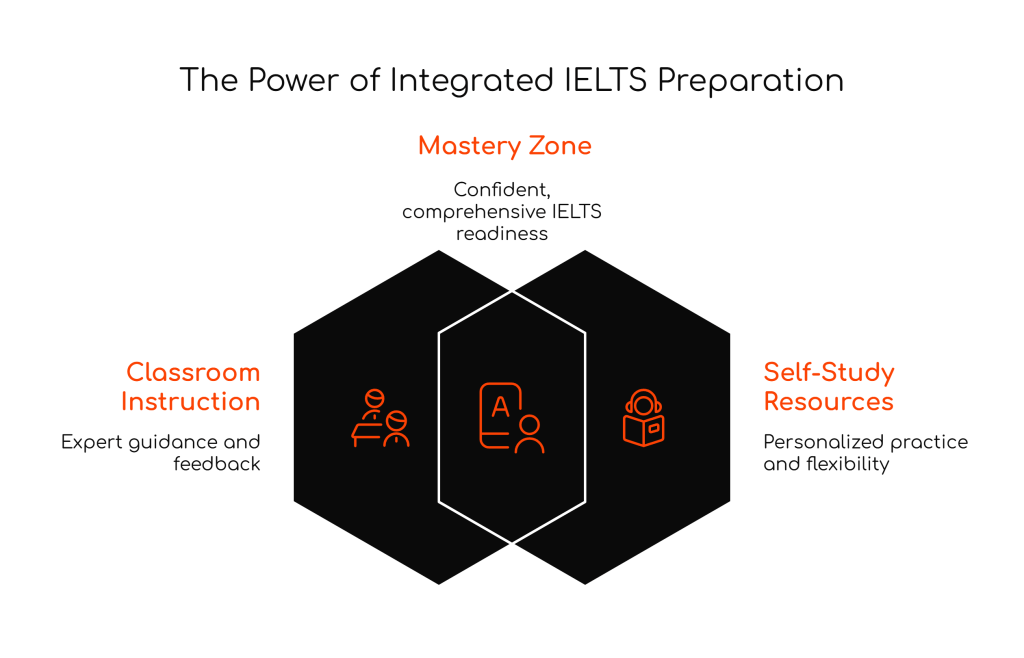
The path to IELTS success rarely follows a single approach. While some candidates rely exclusively on classroom instruction and others prefer complete independence, the most successful test-takers typically combine both formal classes and self-directed study. However, balancing these two approaches effectively requires strategic planning, time management, and a clear understanding of how each method contributes to your overall preparation. This comprehensive guide will help you create a harmonious blend of classroom learning and independent practice that maximizes your IELTS potential.
Understanding the Complementary Nature of Both Approaches
The Unique Value of Structured Classroom Instruction
IELTS classes provide structured learning experiences that individual study cannot replicate. Institutions like TLC IELTS Review PH offer both onsite and online structured sessions that deliver expert guidance on test strategies, immediate feedback on speaking and writing performance, and systematic coverage of all test components. These structured programs create accountability through regular assessments, provide peer interaction for speaking practice, and offer professional evaluation of your progress. The flexibility of both in-person and online formats allows you to choose the learning environment that best suits your schedule and preferences, while maintaining the same quality of instruction and structured curriculum.
The Power of Self-Directed Learning with Quality Resources
Self-study offers personalization and flexibility that classroom instruction cannot match, especially when supported by comprehensive online resources. Platforms like IELTS Guide Phil provide extensive support through multiple channels: the ieltsguidephil.com blog offers detailed articles and strategies, the Spotify podcast delivers convenient audio learning for busy schedules, and the Facebook study group “IELTS Guide Phil (FREE Resources)” creates community support and peer interaction. These resources allow you to focus intensively on your specific weak areas, practice at your own pace, and repeat difficult concepts until mastery occurs. Independent study also develops the self-discipline and autonomous learning skills essential for long-term language improvement, while quality online resources ensure you’re practicing with reliable, expert-curated content.
Creating Synergy Between Structured Classes and Quality Self-Study Resources
The magic happens when structured classroom instruction from institutions like TLC IELTS Review PH works together synergistically with quality self-study resources like IELTS Guide Phil’s comprehensive platform. Classes provide the framework, strategies, and personalized feedback, while resources like the ieltsguidephil.com blog provide detailed explanations and additional practice materials. The Spotify podcast allows you to reinforce learning during commutes or breaks, while the Facebook study group creates ongoing community support that bridges classroom sessions. This multi-channel approach ensures comprehensive preparation that addresses both the technical aspects of IELTS and the extensive practice required for confidence and fluency.
Designing Your Integrated Study Schedule
Establishing the Foundation Ratio
Most successful candidates benefit from a roughly 40-60 split between formal instruction and self-study, though this ratio should adjust based on your learning style, current proficiency level, and available time. Beginners might benefit from more classroom time initially (50-50 split), while advanced learners often need more independent practice time (30-70 split). The key is finding a balance that provides adequate guidance while allowing sufficient practice opportunity.
Weekly Schedule Architecture
Structure your week to alternate between intensive classroom sessions and focused self-study periods. For example, attend classes on specific days and dedicate the following days to reinforcing and expanding on classroom concepts through independent practice. This pattern prevents information overload while ensuring consistent engagement with IELTS material throughout the week.
Daily Integration Strategies
Even on class days, incorporate brief self-study sessions to reinforce learning. Spend 15-30 minutes reviewing class notes, practicing vocabulary from lessons, or completing quick exercises related to classroom topics. On self-study days, begin sessions by reviewing previous class materials before moving into independent practice activities.
Maximizing TLC IELTS Review PH Class Sessions
Choosing Between Onsite and Online Formats
TLC IELTS Review PH offers both onsite and online structured sessions, allowing you to choose the format that best suits your learning style and schedule. Onsite classes provide direct face-to-face interaction, immediate feedback, and a traditional classroom atmosphere that some learners find more engaging. Online classes offer flexibility for busy schedules, eliminate commuting time, and often provide recorded sessions for later review. Consider your personal learning preferences, schedule constraints, and technical comfort level when choosing between formats.
Pre-Class Preparation Using Multiple Resources
Use self-study time before TLC IELTS Review PH sessions to preview upcoming topics using IELTS Guide Phil resources. Read relevant articles on ieltsguidephil.com, listen to related podcast episodes, and engage with the Facebook community to gather different perspectives on topics you’ll cover in class. This multi-source preparation makes classroom time more efficient and allows you to ask targeted questions about concepts you’ve already encountered through various formats.
Active Participation Techniques
Transform yourself from a passive recipient to an active participant in your TLC IELTS sessions. Ask specific questions about areas you’ve struggled with during self-study using IELTS Guide Phil resources, request clarification on confusing concepts, and volunteer for practice activities. Share challenges you’ve encountered while working through ieltsguidephil.com articles or podcast exercises to receive targeted guidance from instructors and peers. Bring specific examples from your independent practice to make class discussions more relevant and productive.
Strategic Note-Taking
Develop a note-taking system that facilitates later self-study sessions. Create sections for new strategies, common mistakes, vocabulary items, and action items for independent practice. Use symbols or highlighting to mark concepts that require additional self-study reinforcement. Well-organized class notes become valuable self-study resources.
Leveraging Peer Interactions and Online Communities
Structured classroom environments like those at TLC IELTS Review PH provide unique opportunities for peer learning that pure self-study cannot replicate. Form study partnerships with classmates for speaking practice, exchange contact information for mutual support, and participate actively in group activities. Extend this community aspect through online platforms like the IELTS Guide Phil Facebook study group, where you can connect with fellow candidates beyond your physical classroom, share experiences, ask questions, and maintain motivation between class sessions. These relationships often provide ongoing motivation and practice opportunities that enhance both your classroom and independent study effectiveness.
Post-Class Reinforcement Strategy
Schedule integrated self-study sessions within 24-48 hours of each TLC IELTS class to reinforce new learning while it’s still fresh. Practice techniques demonstrated in class using resources from ieltsguidephil.com, discuss challenges in the Facebook study group, and listen to relevant podcast episodes that reinforce classroom concepts. This immediate, multi-channel reinforcement significantly improves retention and skill development.
Optimizing Self-Study with IELTS Guide Phil Resources
Strategic Resource Utilization
Maximize your self-study effectiveness by utilizing IELTS Guide Phil’s comprehensive platform strategically. Begin each self-study session by reviewing relevant articles on ieltsguidephil.com that align with your current class topics or identified weak areas. Use the search function to find specific guidance on challenging concepts covered in your TLC IELTS Review PH sessions. The blog’s detailed explanations and examples provide excellent reinforcement for classroom learning.
Podcast Integration for Flexible Learning
Incorporate the IELTS Guide Phil Spotify podcast into your daily routine for continuous learning. Listen to episodes during commutes, exercise sessions, or while doing household tasks to maximize your exposure to IELTS strategies and tips. The audio format allows you to absorb information when reading isn’t practical, making efficient use of otherwise unproductive time. Take notes on key points to review later during focused study sessions.
Community Engagement and Support
Join the IELTS Guide Phil Facebook study group to connect with a broader community of IELTS candidates beyond your classroom peers. Post questions about confusing concepts, share your practice experiences, and learn from others’ challenges and successes. The group provides ongoing motivation, peer support, and diverse perspectives that complement your structured class sessions. Use the community to practice explaining concepts to others, which reinforces your own understanding.
Subject-Specific Integration Strategies
Listening Skills Development
In classes, focus on learning prediction techniques, note-taking strategies, and question type approaches. During self-study, apply these strategies through extensive listening practice with various accents, speeds, and topics. Use classroom feedback to adjust your listening approach and bring specific listening challenges to class for instructor guidance.
Reading Comprehension Enhancement
Classroom time should focus on skimming and scanning techniques, question type strategies, and time management approaches. Self-study sessions should involve extensive reading practice, vocabulary building, and timed practice tests. Track your reading speed and comprehension accuracy, bringing specific passage types or question formats that challenge you to class discussions.
Writing Skill Integration
Classes provide essential feedback on writing structure, task response, and language use that self-study cannot replicate. Use classroom sessions for learning essay structures, receiving feedback on practice essays, and understanding assessment criteria. Self-study time should focus on extensive writing practice, vocabulary expansion, and implementing feedback from previous class sessions.
Speaking Confidence Building
Classroom speaking practice provides essential human interaction and immediate feedback. Focus on pronunciation correction, fluency development, and receiving feedback on content organization during class time. Self-study speaking practice should include recording yourself, practicing alone to build confidence, and preparing for topics likely to appear in class discussions.
Creating Effective Feedback Loops
Tracking Progress Across Both Methods
Maintain a learning journal that tracks progress from both classroom instruction and self-study sessions. Note improvements, persistent challenges, and insights gained from each learning method. This tracking helps identify which approaches work best for different skills and informs adjustments to your study balance.
Bringing Self-Study Challenges to TLC IELTS Classes
Use your TLC IELTS Review PH class time to address specific difficulties encountered during independent study with IELTS Guide Phil resources. Prepare questions about confusing concepts from blog articles, seek clarification on strategies mentioned in podcast episodes, or share challenges discussed in the Facebook study group. This approach maximizes the value of your structured class sessions while ensuring your instructor can provide targeted guidance based on your comprehensive self-study experience.
Applying TLC IELTS Feedback in Multi-Channel Self-Study
Systematically implement feedback from your TLC IELTS Review PH instructors across all your self-study channels. If your teacher identifies specific writing weaknesses, search for relevant articles on ieltsguidephil.com, listen to writing-focused podcast episodes, and ask for additional practice suggestions in the Facebook study group. Create practice exercises based on classroom feedback and monitor improvement through continued independent work using multiple resource formats.
Time Management and Scheduling
Realistic Time Allocation with Structured Programs
Most successful candidates dedicate 10-15 hours weekly to IELTS preparation when combining structured programs like TLC IELTS Review PH with comprehensive self-study resources. Typically, this includes 4-6 hours in formal TLC instruction (whether onsite or online) and 6-9 hours distributed across various IELTS Guide Phil resources: dedicated reading time with ieltsguidephil.com articles, passive learning through Spotify podcast episodes, and active engagement in the Facebook study group. Adjust these ratios based on your schedule constraints, but maintain consistency across all channels rather than alternating between intensive periods and complete breaks.
Flexible Scheduling Strategies
Create primary and backup study schedules that accommodate life’s unpredictability while maintaining preparation momentum. If you miss a scheduled self-study session, have a condensed backup plan that covers essential practice. Similarly, if class attendance isn’t possible, have strategies for catching up on missed content through independent study.
Quality Over Quantity
Focus on effective, concentrated study sessions rather than lengthy, unfocused periods. Two hours of focused, integrated study often produces better results than four hours of scattered, passive review. Measure success by skill improvement and understanding rather than time spent studying.
Adapting Your Balance Over Time
Early Preparation Phase
Initially, you might benefit from more classroom instruction to establish fundamental strategies and understanding. Use this period to learn test format, basic techniques, and assessment criteria while beginning light independent practice to familiarize yourself with test materials.
Mid-Preparation Intensive Phase
As familiarity increases, shift toward more balanced integration with increased self-study time for extensive practice. This phase should emphasize applying classroom strategies through independent practice while using class time for feedback and advanced technique development.
Final Preparation Phase
Near your test date, self-study often becomes more prominent as you focus on maintaining skills, practicing under test conditions, and addressing final weak areas. However, continue some classroom interaction for final feedback and motivation, particularly for speaking and writing skills.
Overcoming Common Integration Challenges
Information Overload Management
Combining multiple learning sources can sometimes create information overload or conflicting advice. Address this by establishing your primary source of strategies (usually your class instructor) and using self-study materials that align with classroom approaches. When conflicts arise, seek clarification from your instructor.
Maintaining Motivation
Balancing multiple study approaches requires sustained motivation over extended periods. Vary your routine regularly, celebrate progress in both classroom and independent achievements, and connect with fellow students for mutual encouragement. Set short-term goals that incorporate both learning methods.
Resource Coordination
Ensure your self-study materials complement rather than contradict your classroom instruction. Communicate with instructors about recommended self-study resources and align your independent practice with classroom curricula when possible.
Technology Integration
Digital Tools and Platform Coordination
Use apps and digital tools to coordinate between your TLC IELTS Review PH classes and IELTS Guide Phil resources. Calendar apps can schedule both class attendance and dedicated time for blog reading, podcast listening, and Facebook group engagement. Note-taking apps can organize insights from TLC classes alongside key points from ieltsguidephil.com articles and podcast episodes, creating a comprehensive study resource that integrates all your learning sources.
Online Resources as Learning Bridges
IELTS Guide Phil’s multi-platform approach serves as an excellent bridge between your structured TLC IELTS Review PH sessions and independent learning. The blog provides detailed reinforcement of classroom concepts, the podcast offers convenient review during non-study time, and the Facebook group maintains community connection between class sessions. This integrated approach provides consistency across all learning channels while offering flexibility for different learning preferences and schedules.
Measuring Integrated Success
Comprehensive Progress Assessment
Regularly assess progress using both formal classroom assessments and independent practice test results. Compare scores across different practice methods to identify which combination of approaches yields the best results for each skill area.
Skill-Specific Evaluation
Evaluate the effectiveness of your integrated approach separately for each IELTS skill. You might find that writing benefits more from classroom feedback while reading improves primarily through extensive self-study practice. Adjust your balance accordingly for each skill area.
Financial Optimization
Cost-Effective Resource Integration
Balance the investment in structured TLC IELTS Review PH classes with the free, comprehensive resources available through IELTS Guide Phil’s platform. Maximize the value extracted from each paid class session by thorough preparation using ieltsguidephil.com articles, reinforcement through podcast episodes, and continued engagement through the Facebook study group. This approach ensures you’re getting maximum return on your classroom investment while accessing extensive additional support at no extra cost.
Return on Investment Strategies
View classroom instruction as high-value, low-volume input and self-study as essential, high-volume practice. This perspective helps optimize the financial investment in formal instruction while acknowledging the necessity of extensive independent practice.
Building Long-Term Learning Skills
Developing Autonomous Learning
Use the combination of guided instruction and independent practice to develop autonomous learning skills that extend beyond IELTS preparation. These skills prove valuable for continued English improvement and lifelong learning in academic or professional contexts.
Creating Sustainable Habits
Establish study routines and habits during IELTS preparation that can continue after test completion. The discipline of balancing guided learning with independent practice creates sustainable approaches to skill development in any area.
Conclusion: Harmony in Learning
Successfully balancing classroom review and self-study for IELTS preparation requires thoughtful planning, consistent execution, and regular adjustment based on progress and changing needs. Neither approach alone provides complete preparation—classes offer essential guidance and feedback while self-study provides the practice volume and personalization necessary for mastery.
The most successful IELTS candidates view classroom instruction and self-study not as competing approaches but as complementary tools in a comprehensive preparation strategy. Classes provide the roadmap and feedback while self-study provides the journey and destination. Together, they create a powerful combination that addresses both the technical requirements of IELTS success and the extensive practice needed for confidence and competence.
Remember that finding the right balance is a personal process that may require adjustment as you progress through your preparation. Stay flexible, monitor your progress honestly, and don’t hesitate to modify your approach based on results and changing circumstances. The goal is not perfect balance but effective integration that maximizes your learning and optimizes your test performance.
Your IELTS success depends not on choosing between structured classroom instruction and independent study, but on skillfully integrating TLC IELTS Review PH’s professional guidance with IELTS Guide Phil’s comprehensive resource ecosystem. This integration leverages the unique strengths of professional instruction, detailed written resources, convenient audio learning, and community support while addressing the complete spectrum of skills and knowledge required for test success. The combination of structured learning and diverse, accessible resources creates the most effective preparation environment possible.
#IELTSPreparation #TLCIELTSReview #IELTSGuidePhil #IELTSStudyPlan #ClassroomVsSelfStudy #IELTSStrategy #OnlineIELTSClasses #OnsiteIELTSClasses #IELTSBlog #IELTSPodcast #IELTSCommunity #FacebookStudyGroup #SpotifyPodcast #IELTSResources #StudyBalance #IELTSSuccess #EnglishTest #TestPrep #IELTSTips #LanguageLearning #IELTSGuide #StudyTips #IELTSMotivation #EnglishProficiency #IELTSExam #MultiChannelLearning #StudyGroup #IELTSSupport #FreeIELTSResources #IELTSCourse #StudyEffectively #TestTaking #IELTSAdvice #LearningStrategy #EducationGoals #StudyPlan #IELTSJourney #IELTSPhilippines
 IELTS Guide Phil
Leave a comment