
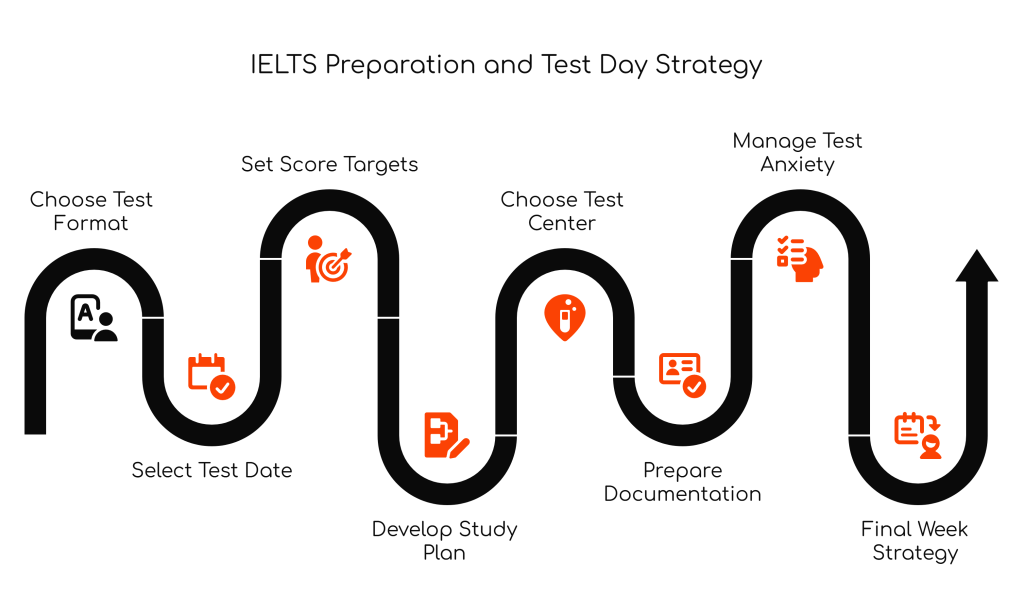
The International English Language Testing System (IELTS) is one of the world’s most recognized English proficiency tests, opening doors to academic opportunities, immigration, and career advancement. However, success in IELTS requires more than just good English skills—it demands strategic planning and thorough preparation. Before booking your test date, consider these essential factors that could significantly impact your performance and results.
Understanding IELTS Test Formats
Academic vs. General Training Module
The first crucial decision is choosing between IELTS Academic and General Training. IELTS Academic is designed for those seeking higher education or professional registration, featuring complex academic texts and formal writing tasks. General Training, intended for immigration and work purposes, includes more practical, everyday English scenarios. Your purpose for taking IELTS should directly determine which module you select, as the content and difficulty levels differ substantially.
Computer-Based vs. Paper-Based Testing
Modern IELTS offers both computer-based and paper-based formats. Computer-based tests provide faster results (within 3-5 days) and more flexible scheduling, while paper-based tests might feel more familiar to traditional test-takers. Consider your comfort level with typing, digital interfaces, and personal preferences when making this choice.
Timing and Scheduling Considerations
Test Date Selection
Choose your test date strategically, allowing adequate preparation time while meeting your application deadlines. Most candidates benefit from 2-3 months of focused preparation, though this varies based on current English proficiency. Avoid scheduling during busy periods in your life, such as work deadlines or personal commitments that might affect your focus.
Score Validity Period
IELTS scores remain valid for two years from the test date. If you’re applying for multiple programs or considering future opportunities, factor in this validity period when planning your test timing. Taking IELTS too early might mean your scores expire before you need them.
Setting Realistic Score Targets
Research Required Scores
Different institutions and immigration programs have varying IELTS score requirements. Research your target organizations thoroughly to understand not just the overall band score needed, but also minimum requirements for individual skills (listening, reading, writing, speaking). Some programs require higher scores in specific areas, such as writing for academic programs.
Assess Your Current Level
Take a diagnostic test or assessment to understand your current English proficiency. This baseline helps set realistic expectations and determines how much preparation time you’ll need. Many candidates underestimate the gap between their current level and target scores, leading to inadequate preparation.
Preparation Strategy and Resources
Study Plan Development
Create a structured study plan that addresses all four IELTS skills equally. Many candidates focus heavily on reading and listening while neglecting speaking and writing, which often prove more challenging. Allocate specific time slots for each skill and include regular practice tests to track progress.
Resource Selection
Choose high-quality preparation materials from reputable sources. Official IELTS practice materials provide the most accurate representation of actual test content and difficulty. Supplement these with additional resources like preparation courses, online platforms, or tutoring based on your learning style and budget.
Practice Test Strategy
Regular practice tests are essential for familiarizing yourself with test format, timing, and question types. Take full-length practice tests under exam conditions to build stamina and identify areas needing improvement. Analyze your mistakes carefully to understand patterns in your errors.
Test Day Logistics
Test Center Selection
Choose a test center that’s easily accessible and in a quiet environment. Visit the location beforehand if possible to familiarize yourself with the route and parking situation. Consider factors like traffic patterns and public transportation schedules on your test day.
Required Documentation
Ensure your identification documents meet IELTS requirements and will remain valid on test day. The name on your ID must exactly match your test registration. Prepare backup identification if possible, and understand the specific requirements for your test center location.
Physical and Mental Preparation
Plan your test day schedule to arrive relaxed and focused. Get adequate sleep, eat a proper breakfast, and avoid trying new foods that might cause discomfort. Bring permitted items like water and snacks for breaks between test sections.
Financial Planning
Test Fees and Additional Costs
IELTS test fees vary by location and can be substantial. Budget for the test fee, preparation materials, potential retakes, and score reporting costs. Some candidates need to take IELTS multiple times to achieve target scores, so consider this possibility in your financial planning.
Score Reporting Expenses
Factor in costs for sending official score reports to institutions. While some free score reports may be included, additional reports typically incur fees. Plan for multiple score submissions if applying to various programs or institutions.
Managing Expectations and Backup Plans
Realistic Timeline Planning
Understand that achieving significant score improvements often requires months of dedicated study. Don’t rely on a single test attempt, especially if you need high scores. Build buffer time into your application timeline to accommodate potential retakes.
Alternative Pathway Consideration
Research whether your target institutions accept other English proficiency tests like TOEFL, PTE, or have alternative pathways for demonstrating English competency. Having backup options reduces pressure and provides flexibility if IELTS results don’t meet expectations.
Stress Management and Mental Preparation
Test Anxiety Management
IELTS can be stressful, and anxiety often impacts performance significantly. Develop stress management techniques through regular practice under timed conditions. Consider meditation, breathing exercises, or other relaxation methods that work for you.
Confidence Building
Build confidence through thorough preparation and positive self-talk. Focus on your strengths while systematically addressing weaknesses. Remember that IELTS tests English communication skills you use daily, not abstract academic concepts.
Final Preparation Phase
Last-Week Strategy
In the final week before your test, focus on maintaining your preparation level rather than cramming new information. Review test strategies, practice time management, and ensure you’re familiar with all question types. Avoid intensive studying the day before the test.
Test Day Mental Framework
Approach test day with a clear strategy for each section. Know how to allocate time, when to move on from difficult questions, and how to manage your energy throughout the lengthy test session. Remember that every section is equally important for your overall score.
Conclusion
Success in IELTS extends far beyond English language ability—it requires strategic planning, realistic goal-setting, and comprehensive preparation. By carefully considering these essential factors before taking your test, you’ll position yourself for the best possible outcome. Remember that IELTS is not just a test to pass, but a stepping stone toward your larger academic, professional, or personal goals. Invest the time and effort needed to approach it strategically, and your preparation will pay dividends not only in your test scores but in your overall English communication confidence.
Taking IELTS is a significant commitment of time, energy, and resources. By addressing these considerations thoroughly before beginning your preparation journey, you’ll maximize your chances of achieving the scores you need while minimizing stress and uncertainty along the way.
#IELTSGuidePhil #IELTS #IELTSPreparation #IELTSTips #EnglishTest #IELTSGuide #StudyAbroad #IELTSPlanning #EnglishProficiency #IELTSStrategy #TestPrep #IELTSAcademic #IELTSGeneral #LanguageLearning #IELTSSuccess #StudyTips #EnglishLanguage #IELTSAdvice #TestTaking #IELTSReady #EducationGoals #ImmigrationTest #UniversityApplication #EnglishSkills #IELTSExam #StudyPlan
 IELTS Guide Phil
Leave a comment